If you need to promote an offer by Friday, fill seats at an event, or get a new business noticed in the local area, low cost flyer printing is usually one of the fastest ways to make it happen. The catch is simple: cheap only works if the flyers still look professional, arrive on time, and do the job they were printed for. That is where a lot of buyers get caught out.
The good news is that keeping flyer costs down does not mean settling for poor print. In most cases, it comes down to making sensible choices about size, paper, quantity, artwork and delivery. If you understand where the money goes, you can spend less without weakening the result.
What low cost flyer printing really means
For most businesses, low cost flyer printing is not about finding the absolute lowest price on a screen. It is about getting dependable print at a fair rate, without paying for extras you do not need. A flyer for a takeaway menu drop has different demands from a premium salon launch, and the best-value option will not be identical for both.
That is why price on its own can be misleading. A very cheap flyer becomes expensive if the colours print badly, the paper feels flimsy for the setting, or the delivery misses your campaign date. Real value is the balance between cost, presentation and reliability.
For practical buyers, that usually means choosing a standard format, a popular paper stock, and artwork that is set up correctly from the start. Those decisions help avoid reprints, delays and unnecessary upgrades.
Where flyer printing costs usually come from
Most flyer pricing is shaped by a few straightforward factors. Size matters because larger sheets use more material. Paper weight and finish affect both the material cost and how the piece feels in hand. Quantity changes the unit cost, with larger runs often working out cheaper per flyer.
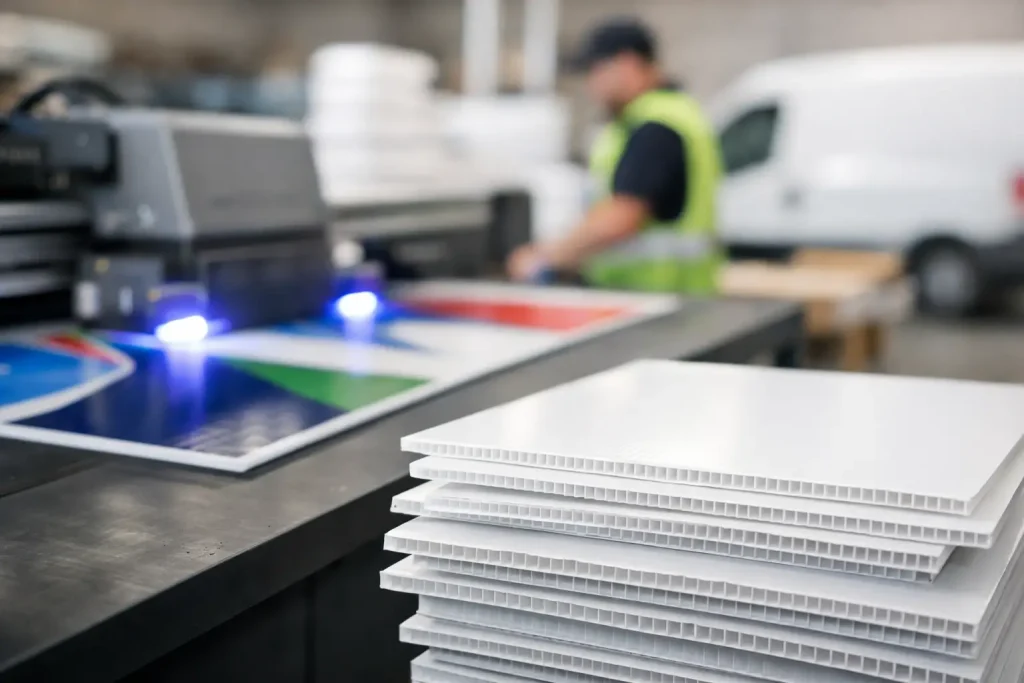
Print method also plays a part. Short runs may be better suited to digital production, while bigger runs often benefit from litho or gang-run efficiencies, depending on the job. Then there is turnaround. If you leave everything to the last minute and need express production, the price can rise quickly.
Delivery is another area people forget to count. A low headline price is less attractive if shipping is added later or if you have to split an order because planning was poor. This is why buyers tend to do best with suppliers that keep pricing clear and ordering simple.
How to keep costs low without lowering standards
The easiest saving is usually specification, not quality. Standard A5 and A6 flyers are popular for a reason. They are cost-effective, easy to distribute and large enough for most local promotions. If you do not need extra space, moving up to A4 can add cost without adding much return.
Paper choice matters just as much. A heavier stock can feel more premium, but it is not always necessary. For door drops, handouts and short-term promotions, a lighter silk or gloss stock often gives the best balance of price and presentation. If your flyer needs to sit on a counter for weeks or represent a higher-end brand, spending slightly more on thickness may be worthwhile.
Colour should be chosen with purpose. Full colour on both sides is common and often the right option, but not every campaign needs it. If one side carries all the key information, or if the reverse is mostly text, there may be simpler ways to keep the print budget under control.
Artwork preparation is where hidden savings often sit. Files supplied at the correct size, with bleed, safe margins and high-resolution images, are less likely to cause hold-ups. Poor artwork can lead to fixes, proofing delays or a finished flyer that looks softer than expected. That turns a cheap order into a frustrating one.
Choosing the right flyer for the job
A flyer works best when it matches how it will be used. If staff are handing them out in town, a compact size is usually easier to manage and less likely to be binned immediately. If they are being displayed on a counter, you may want a layout with a stronger headline and fewer details.
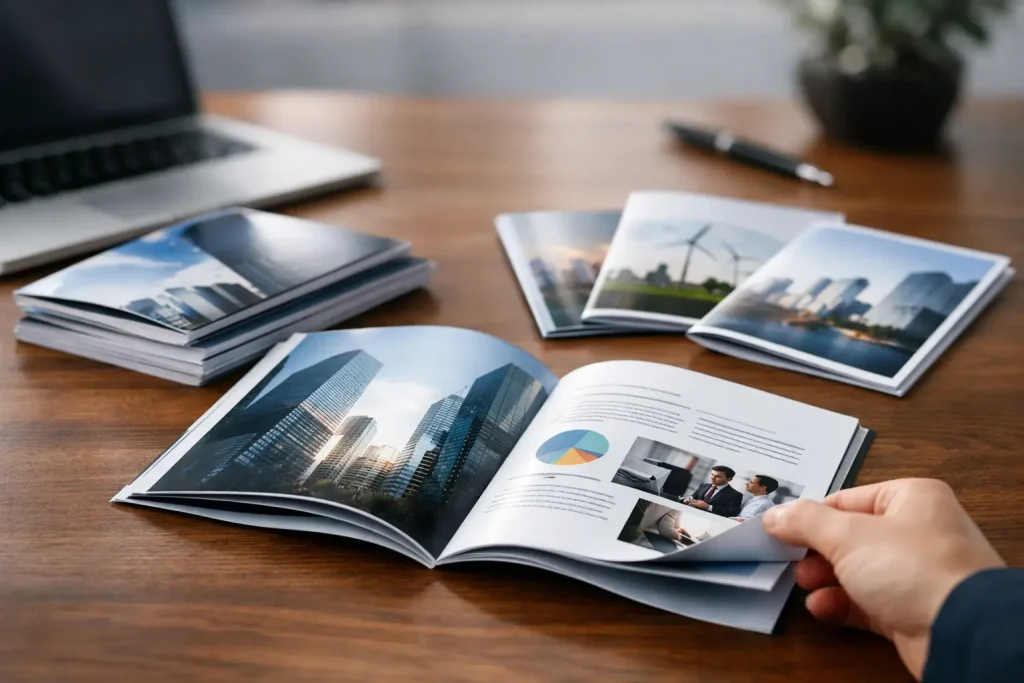
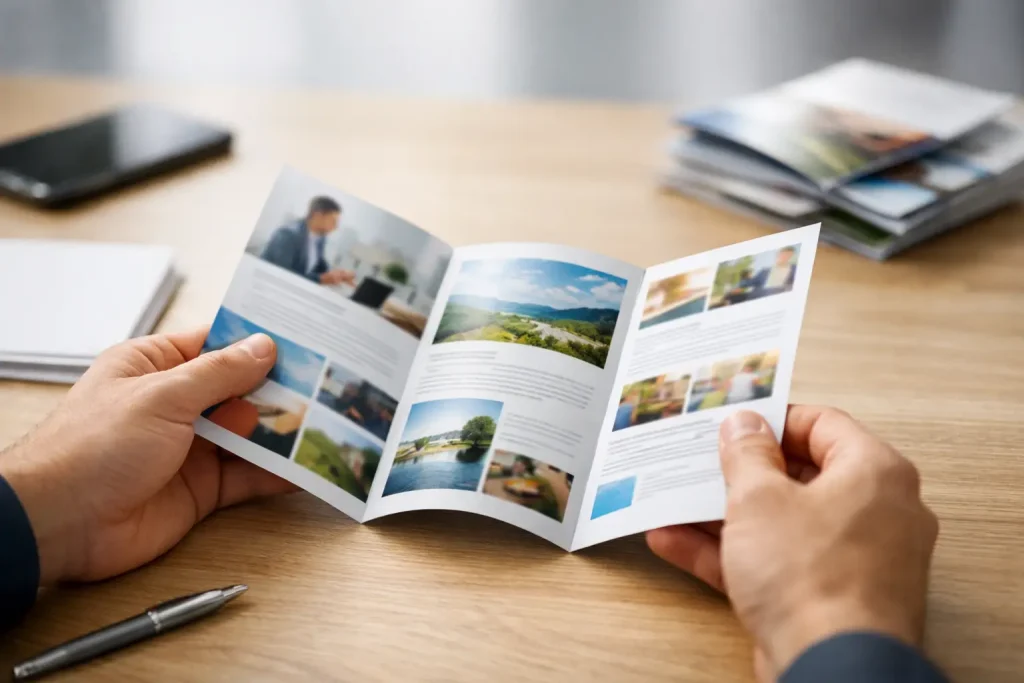
For menus, service lists and regular promotions, folded leaflets can sometimes offer better value than cramming too much onto a standard flyer. That is not always the cheaper print option upfront, but it can be more effective if the message needs space to breathe. It depends on whether the goal is quick attention or more detailed information.
Event organisers often need a straightforward print run at speed. In that case, the winning formula is usually a standard size, a proven stock and simple artwork approval. Small businesses running seasonal offers often need the same thing. Fancy finishes rarely outperform clear messaging and timely delivery.
When the cheapest option is the wrong one
There are times when pushing the price down too far creates problems. If your flyer is aimed at high-value clients, printed for a formal event, or tied to a wider branded campaign, the feel of the paper and sharpness of the print can affect response. You do not need to overspend, but you do need the flyer to fit the setting.
The same applies when colour accuracy matters. If you are working with established brand colours, low-grade file setup or poor production control can make the result look inconsistent with your signage, packaging or other materials. That is not just a design issue. It can make a business look less established than it really is.
There is also the question of timing. If a supplier offers an unusually low price but cannot produce and deliver within your deadline, it is not a saving. Print that arrives after the event date has no value at all.
How to buy low cost flyer printing with fewer headaches
The smoothest orders are usually the simplest ones. Start with the purpose of the flyer, then work backwards. Decide where it will be distributed, how long it needs to last and what action you want people to take. That makes it easier to choose size, stock and quantity sensibly.
It also helps to avoid over-ordering. A larger quantity often reduces the per-unit price, but only if you will actually use them. If your prices, opening hours or offers change often, a giant print run can create waste. For fast-moving promotions, a smaller order with a lower risk of obsolescence may be the better buy.
Support matters too, especially for customers who are not print specialists. A clear ordering process, fast answers and someone available to sense-check artwork or specifications can save time and prevent costly mistakes. That practical support is often more useful than shaving a tiny amount off the item price.
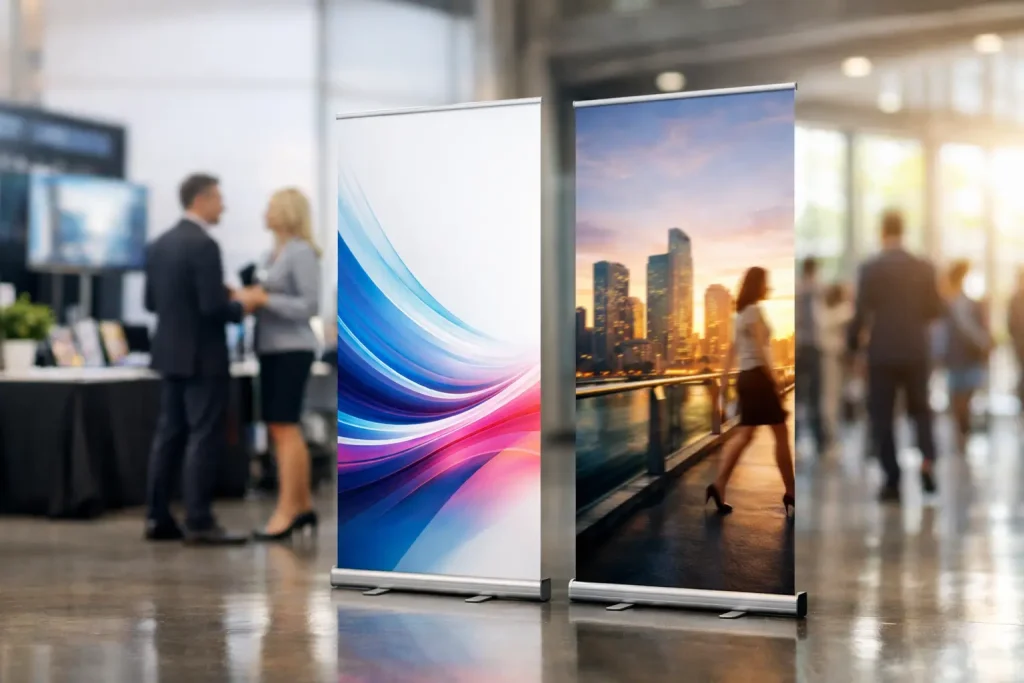
This is one reason many businesses prefer a supplier that can handle more than one product line at once. If you are ordering flyers alongside posters, banners or branded items for an event, keeping everything in one place makes procurement easier and reduces admin. For busy teams, convenience has real value.
A sensible spec for most businesses
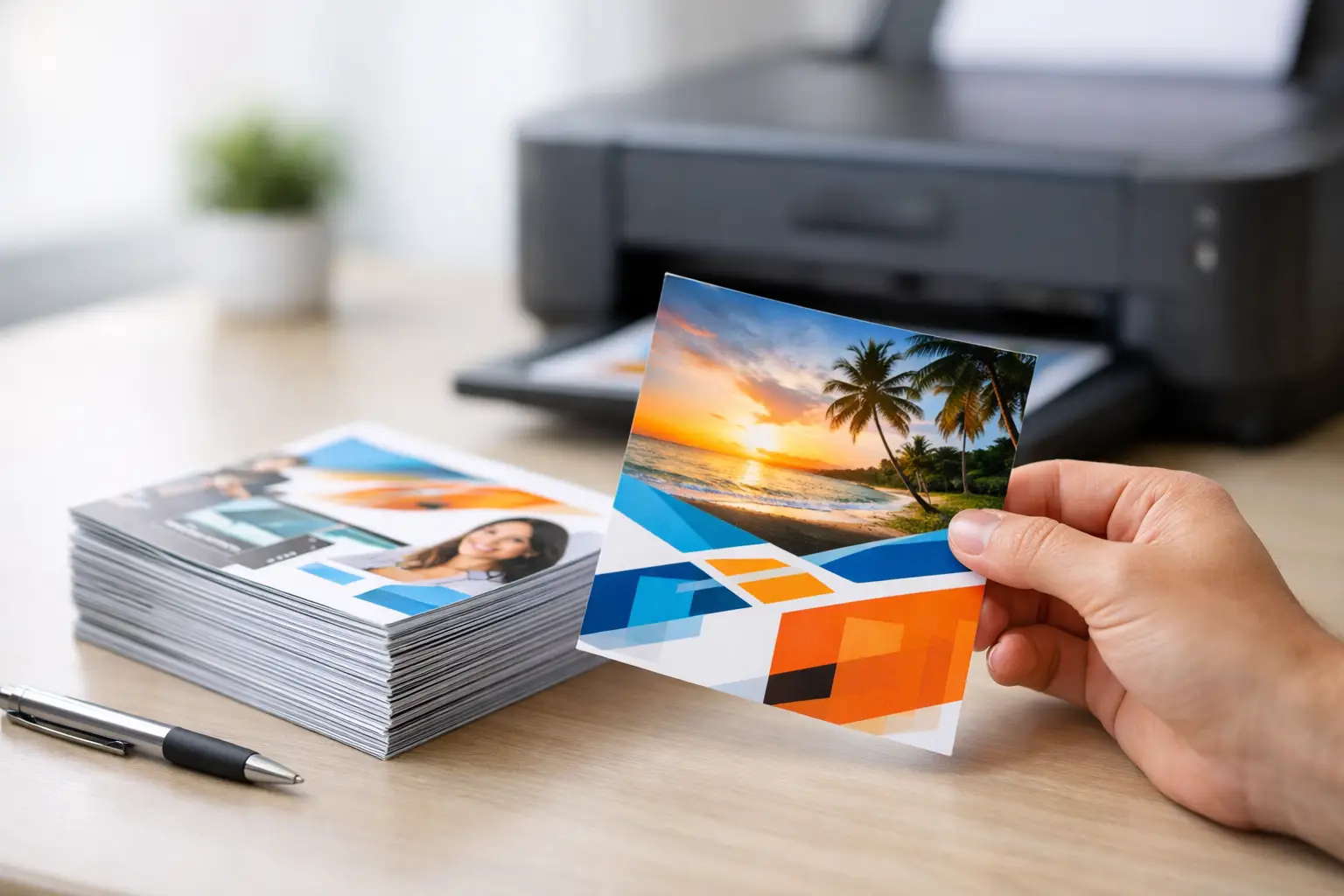
If you are unsure where to start, the safest route is usually a standard A5 flyer printed in full colour on a popular silk stock. That gives you enough space for a strong offer, contact details and a simple call to action, while keeping costs controlled. It suits many everyday uses, from local promotions to service advertising.
From there, adjust only if there is a clear reason. Go smaller if you need a very low unit cost or a handout that fits easily into a pocket. Go heavier if the flyer needs to feel more substantial. Add more pages only when the information genuinely needs it.
That is generally the best way to approach low cost flyer printing. Start with what works, avoid unnecessary extras, and spend a little more only where it changes the outcome.
For buyers who want a straightforward route to affordable print, that is the real win: not the cheapest flyer possible, but the one that lands on time, looks right, and helps the job move forward. If a print order makes your marketing easier rather than more complicated, it is probably money well spent.