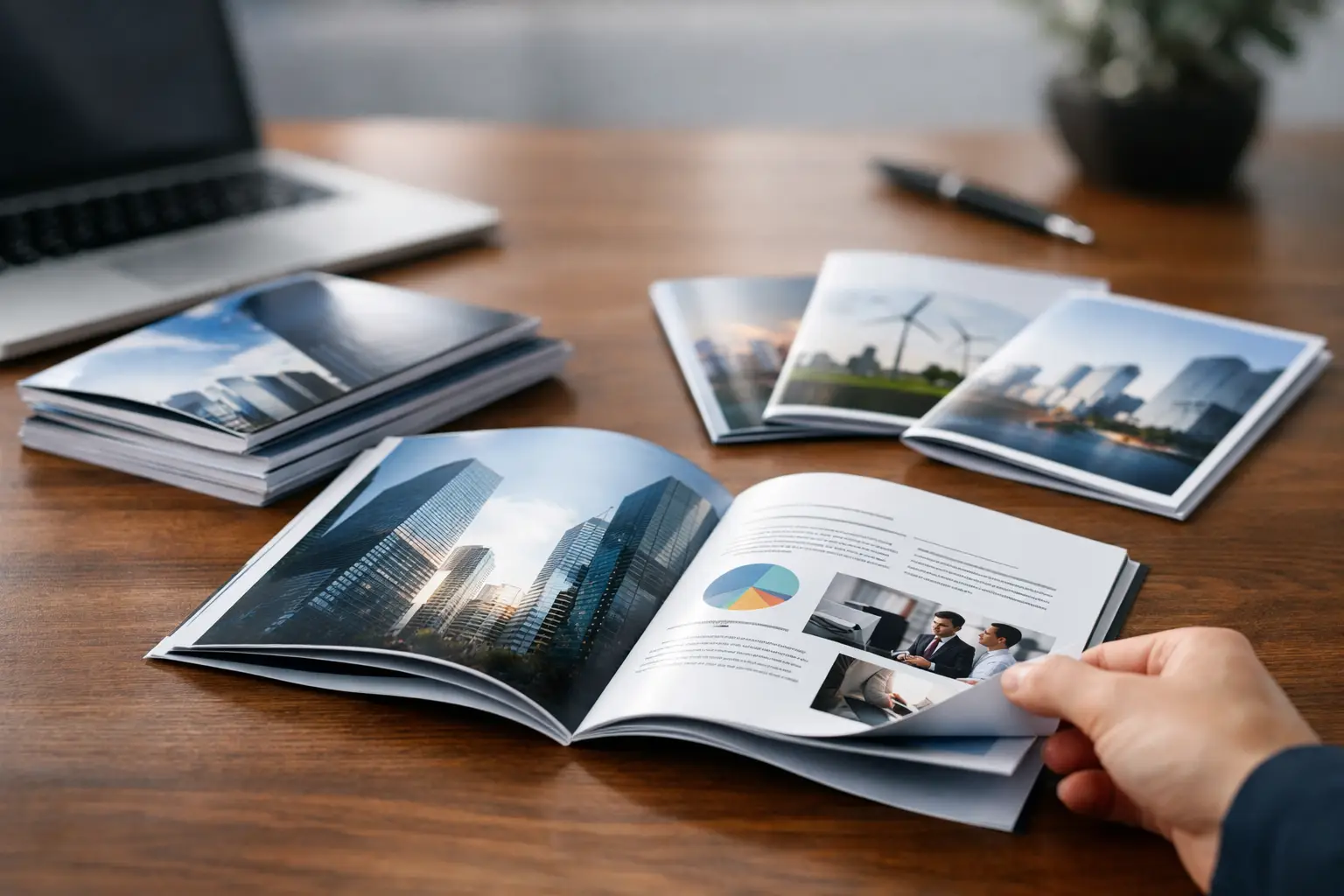
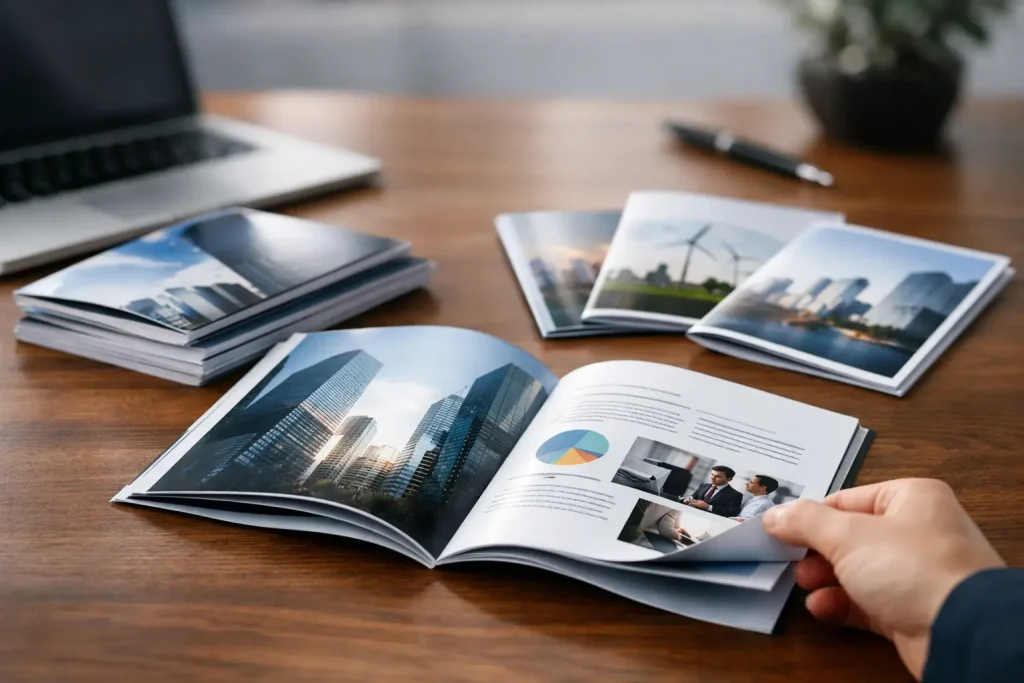
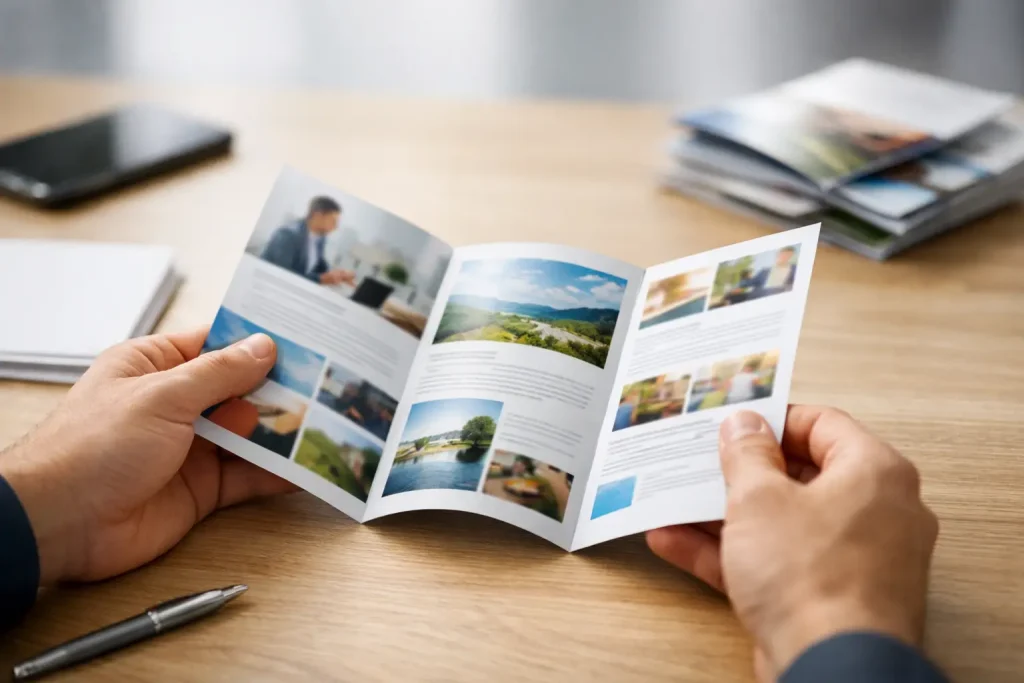
A booklet can do a lot of work in a small format. It can explain a service, support a sales meeting, guide visitors at an event, or give customers something worth keeping. That is why booklet printing UK remains a practical choice for businesses, schools, charities and organisers who need more space than a flyer but want something neater and easier to handle than a stack of loose sheets.
The challenge is not whether to print a booklet. It is choosing the right one. Size, page count, paper stock and finish all affect how the final piece feels, how much it costs, and whether people actually read it. If you are ordering for commercial use, the best result usually comes from keeping the brief clear and matching the spec to the job.
Why booklet printing UK still works
Digital marketing is useful, but print still earns its place when people need something they can pass around, carry away or refer back to later. A booklet feels more considered than a flyer and more approachable than a full brochure pack. It gives you room to explain without overwhelming the reader.
For many organisations, booklets are one of the most flexible print products available. A local business might use them for product catalogues or service guides. Schools often need prospectuses, event programmes and parent information packs. Charities use them for annual updates, campaign materials and fundraising packs. Event organisers rely on them for schedules, exhibitor information and welcome guides.
The main benefit is simple. A booklet lets you organise information in a way that feels structured and easy to follow. When the content has sections, images, pricing, instructions or multiple offers, a folded leaflet can start to feel cramped. A booklet gives the content room to breathe.
Choosing the right booklet format
Most buyers do not need every print option under the sun. They need a booklet that looks professional, arrives on time and stays within budget. That is why it helps to start with the basics.
A5 is often the most practical size for general business use. It is compact, cost-effective and easy to hand out at meetings, reception desks and events. If you need more visual impact, A4 can work well for catalogues, reports or presentation documents where image size matters. Smaller formats can suit manuals or pocket guides, but only if the text remains easy to read.
Page count matters more than many people expect. Booklets are usually produced in page counts that work in multiples of four. If your content sits awkwardly between lengths, it may be better to tighten the copy or add useful material rather than fill space for the sake of it. Extra pages increase cost, but cutting too much can make the booklet less useful.
Binding is another practical decision. Saddle stitched booklets, held together with staples along the spine, are the standard option for many short to medium-length jobs. They are tidy, affordable and ideal for brochures, guides and programmes. Perfect bound booklets can look more premium, especially for thicker documents, but they are not always necessary if speed and value are the priority.
Paper, finish and what they say about your brand
Paper stock changes how people judge a printed piece before they read a word. A thin stock can keep costs down for large runs, which makes sense for event handouts or temporary campaigns. A heavier stock usually feels more substantial and can help if you want the booklet to be kept for weeks or months.
Gloss paper tends to make colours look more vivid and can suit product-led booklets with strong photography. Silk or matt finishes often feel a little more restrained and are easier to read under bright lighting. For service businesses, schools and public-facing organisations, that cleaner finish is often the safer option.
There is no single best choice here. It depends on how the booklet will be used. If it will sit in a waiting room or go into a welcome pack, durability matters. If it is being handed out in volume for a one-day event, value and speed may matter more than a premium feel.
Booklet printing UK for different types of buyer
The right specification usually depends on who is using the booklet and where. A trades business might want a simple price guide or service brochure that sales staff can leave behind after a visit. In that case, a clean A5 booklet with a modest page count often does the job well.
For schools and colleges, clarity usually matters more than flair. Prospectuses, course guides and event booklets need enough space for information, dates and contact details without looking cluttered. Readability, sensible paper choice and reliable colour reproduction matter more than anything flashy.
For charities and community groups, budgets are often tighter, so getting the balance right is key. A booklet should still feel professional, but the brief may need a sharper eye on quantity, stock and delivery times. That does not mean compromising on presentation. It means spending where it counts.
For retail and hospitality, visuals carry more weight. Menus, seasonal guides, treatment lists and product lookbooks often benefit from a better-quality finish because the booklet is part of the customer experience, not just an information sheet.
Getting the artwork right before you order
Most booklet problems start before printing. Low-resolution images, missing bleed, inconsistent margins and text pushed too close to the trim can all affect the final result. Even a well-priced job can disappoint if the file is not prepared properly.
The safest approach is to keep layouts clean and avoid trying to cram too much onto each page. Use consistent headings, readable font sizes and enough white space. If a page looks crowded on screen, it will usually feel even busier in print.
Proofreading matters as well. A typo in a social post disappears quickly. A typo in 500 printed booklets has a habit of hanging around. Check names, prices, dates, phone numbers and page order carefully before sign-off.
If you are not confident with print setup, getting design support can save time and waste. That is especially true for first-time buyers or anyone repurposing artwork from digital use.
How to keep booklet costs under control
Price matters, especially when you are ordering regularly or managing multiple campaigns. The good news is that booklet printing can be very cost-effective if you make a few sensible decisions early.
Start by being realistic about quantity. Ordering too few can increase the unit cost sharply, but ordering far too many leaves you with outdated stock when prices, services or dates change. Think about how quickly the content may go out of date.
Next, avoid overspecifying the job. Premium finishes, heavier covers and extra pages can all be worthwhile, but only if they support the purpose of the booklet. For a short-term promotion, a simpler setup is often the better buy. For an evergreen company brochure or prospectus, spending a bit more may be justified.
Turnaround time also affects planning. Fast production is valuable when deadlines are tight, but last-minute ordering can limit options. If your booklet supports an event, launch or enrolment window, leaving enough time for artwork checks and delivery gives you a better chance of getting the exact spec you want.
What a smooth ordering process should look like
Buying print should not feel harder than the project itself. A good ordering experience is clear, quick and backed by support when needed. You should be able to understand the options, choose your specification without second-guessing every technical term, and know when the finished booklets are expected to arrive.
That matters even more for businesses and organisations that buy a mix of products. If you are ordering booklets alongside flyers, banners, posters or promotional items, keeping everything with one reliable supplier can save time and reduce admin. Conkea is built around that kind of practical buying – fair pricing, simple ordering and support when you need it.
A few common mistakes worth avoiding
One of the most common issues is treating a booklet like a digital document. Long paragraphs, tiny type and overfilled pages may seem manageable on a monitor, but they quickly become hard work in print. Keep the reader in mind.
Another is forgetting the purpose of the piece. A booklet is not there to say everything your business has ever done. It should help the reader take the next step, whether that is making an enquiry, understanding your services, attending an event or comparing options.
Finally, do not leave approval to the last minute. A rushed sign-off often leads to small but costly errors that could have been caught with one more careful check.
If you are ordering booklet printing UK for the first time, keep it simple. Choose a format that suits the job, prepare the artwork properly, and focus on what the reader actually needs. A well-planned booklet does not have to be complicated or expensive to do its job properly. When the content is clear and the print is dependable, it earns its place long after a quick online scroll is forgotten.